
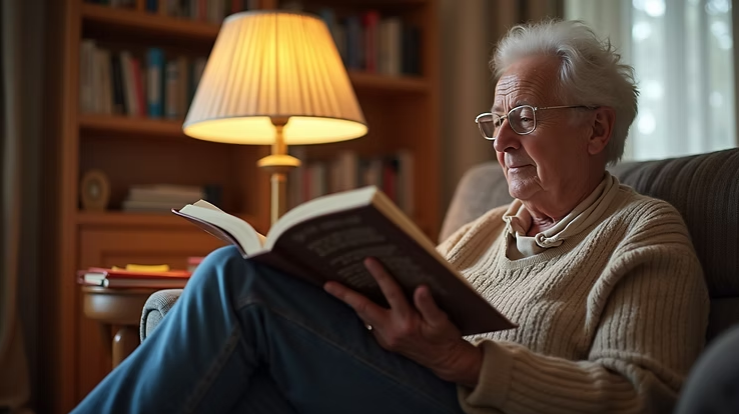
Understanding Geriatric Care Management
Geriatric care management involves coordinating care for older adults, focusing on their unique needs and challenges. This includes managing medical conditions, ensuring safety, and providing emotional support. Here are some key components of effective geriatric care management:
Comprehensive Assessment
A thorough assessment is crucial for understanding the specific needs of elderly individuals. This should include:
- Medical History: Review past and current medical conditions, medications, and treatments.
- Functional Abilities: Evaluate the individual's ability to perform daily activities, such as bathing, dressing, and eating.
- Social Support: Identify family members, friends, and community resources that can provide assistance.
Care Plan Development
Once the assessment is complete, develop a personalized care plan that addresses the individual's needs. This plan should include:
- Goals: Set realistic and achievable goals for health and well-being.
- Interventions: Outline specific actions to be taken, such as medication management, physical therapy, or social activities.
- Monitoring: Establish a system for regular follow-ups to assess progress and make necessary adjustments.
Building a Supportive Environment
Creating a supportive environment is essential for the well-being of elderly individuals. Here are some tips for enhancing their living space:
Safety Modifications
Ensure that the home is safe and accessible. Consider the following modifications:
- Remove Hazards: Eliminate tripping hazards, such as loose rugs and clutter.
- Install Grab Bars: Place grab bars in bathrooms and near stairs to provide stability.
- Improve Lighting: Ensure that all areas are well-lit to prevent falls.
Emotional Support
Emotional well-being is just as important as physical health. To foster a supportive environment:
- Encourage Social Interaction: Facilitate opportunities for socializing with friends and family.
- Promote Independence: Allow elderly individuals to make choices about their daily activities and care.
- Provide Companionship: Consider hiring a caregiver or companion to offer support and companionship.
Effective Communication
Clear communication is vital in geriatric care management. Here are some strategies to enhance communication with elderly individuals:
Active Listening
Practice active listening to ensure that the elderly individual feels heard and understood. This involves:
- Maintaining Eye Contact: Show that you are engaged in the conversation.
- Nodding and Responding: Use verbal and non-verbal cues to indicate understanding.
- Asking Open-Ended Questions: Encourage them to express their thoughts and feelings.
Simplifying Information
When discussing medical information or care plans, simplify complex terms and concepts. Use clear language and avoid jargon to ensure comprehension.
Collaboration with Healthcare Professionals
Collaboration with healthcare professionals is essential for effective geriatric care management. Here are some tips for building strong partnerships:
Regular Communication
Maintain open lines of communication with all members of the healthcare team, including:
- Primary Care Physicians: Coordinate care and share updates on the individual's health status.
- Specialists: Consult with specialists as needed for specific medical conditions.
- Therapists: Work with physical and occupational therapists to develop rehabilitation plans.
Care Coordination
Ensure that all aspects of care are coordinated to avoid duplication of services and ensure comprehensive support. This includes:
- Medication Management: Regularly review medications to prevent interactions and side effects.
- Follow-Up Appointments: Schedule and attend follow-up appointments to monitor progress.
Utilizing Technology in Geriatric Care
Technology can play a significant role in enhancing geriatric care management. Here are some ways to leverage technology:
Telehealth Services
Telehealth services allow elderly individuals to access healthcare from the comfort of their homes. This can be particularly beneficial for those with mobility issues or those living in remote areas.
Health Monitoring Devices
Consider using health monitoring devices to track vital signs and health metrics. Devices such as:
- Wearable Fitness Trackers: Monitor physical activity and heart rate.
- Medication Reminders: Help ensure that medications are taken on time.
Education and Training for Caregivers
Providing education and training for caregivers is essential for successful geriatric care management. Here are some areas to focus on:
Understanding Geriatric Syndromes
Educate caregivers about common geriatric syndromes, such as:
- Delirium: Sudden changes in mental status that can be caused by various factors.
- Falls: Understanding risk factors and prevention strategies.
- Polypharmacy: Managing multiple medications to avoid adverse effects.
Stress Management Techniques
Caring for elderly individuals can be emotionally and physically demanding. Teach caregivers stress management techniques, such as:
- Mindfulness Practices: Encourage meditation or deep-breathing exercises.
- Support Groups: Connect caregivers with local or online support groups for shared experiences and advice.
Advocacy and Resources
Advocating for the needs of elderly individuals is a crucial aspect of geriatric care management. Here are some ways to be an effective advocate:
Know Your Rights
Educate yourself and the elderly individuals you care for about their rights regarding healthcare and services. This includes understanding:
- Patient Rights: The right to make decisions about their care.
- Access to Services: Information about available resources and support services.
Utilize Community Resources
Explore community resources that can provide additional support, such as:
- Senior Centers: Offer social activities, meals, and educational programs.
- Home Health Services: Provide in-home care and support for daily activities.
Conclusion
Geriatric care management is a multifaceted process that requires careful planning, effective communication, and a supportive environment. By implementing these essential tips, caregivers can enhance the quality of life for elderly individuals, ensuring they receive the care and support they need. Remember, the goal is to promote independence, dignity, and well-being in every aspect of their lives.
As you embark on this journey, consider reaching out to local resources and support networks to further enhance your knowledge and skills in geriatric care management. Your efforts can make a significant difference in the lives of those you care for.